Jim Keras Subaru Hacks Cross

Blog / Jim Keras Subaru Service

Blog

All Jim Keras Subaru Service Jim Keras Subaru Hackscross New Subaru Dealer Subaru Dealer Subaru New Car Fun things to do in Memphis Fuel Efficiency 2025 Subaru Outback Subaru Safety 2025 Subaru Crosstrek Maintenance Tips Restaurants Near Memphis Electric SUV New Subaru Forester Subaru Ascent 2025 Subaru Forester Car Safety New Tires Subaru Financing Subaru Solterra Tire Safety

The Importance of Regular Oil Changes for Your Subaru

At Jim Keras Subaru Hacks Cross, we understand the importance of maintaining your vehicle to ensure its longevity and performance. One of the most critical aspects of vehicle maintenance is regular oil changes. Oil changes are essential for keeping your Subaru running smoothly and efficiently. Let's explore why regular oil changes are vital and how they benefit your vehicle. more Why Are Oil Changes Important? Oil is the lifeblood of your engine, providing essential lubrication to reduce friction between moving parts. Over time, engine oil can break down and become contaminated with dirt and debris, reducing its effectiveness. Regular oil changes help remove these contaminants and replenish the oil, ensuring your engine continues to operate optimally. Benefits of Regular Oil Changes Improved Engine Performance: Fresh oil helps your engine run smoothly by reducing friction and wear on moving parts. This leads to improved performance and efficiency. Extended Engine Life: Regular oil changes help prevent engine wear and tear, extending the life of your engine and reducing the risk of costly repairs. Better Fuel Efficiency: Clean oil reduces engine friction, allowing your vehicle to operate more efficiently and improve fuel economy. Reduced Emissions: Fresh oil helps your engine run cleaner, reducing harmful emissions and contributing to a healthier environment. Optimal Engine Protection: Regular oil changes ensure that your engine is protected from overheating and damage caused by friction and debris. When Should You Change Your Oil? The frequency of oil changes depends on several factors, including your driving habits, the type of oil used, and your vehicle's age. As a general guideline, it's recommended to change your oil every 5,000 to 7,500 miles. However, it's always best to consult your Subaru owner's manual or speak with our service experts at Jim Keras Subaru Hacks Cross for personalized recommendations. Schedule Your Oil Change at Jim Keras Subaru Hacks Cross At Jim Keras Subaru Hacks Cross, our experienced technicians are here to help you maintain your vehicle with regular oil changes and other essential services. Visit our service center or schedule an appointment online to keep your Subaru running at its best. We're committed to providing exceptional service and ensuring your vehicle remains in top condition.

Understanding Transmission Failure: Signs, Symptoms, and Solutions

Transmission issues can be daunting, especially when you're unsure what to look for. At Jim Keras Subaru Hacks Cross, we aim to provide drivers from Memphis, TN to Oakland, TN, and even as far as Rossville, TN, with the essential knowledge to identify and address potential transmission problems. This guide will help you recognize the signs of transmission failure and understand when it might be time for a replacement. Signs of Transmission Failure: Key Indicators How to Know If Your Transmission Needs Replacing Transmission Maintenance and Care Tips Local Resources and Services at Jim Keras Subaru Hacks Cross more Signs of Transmission Failure: Key Indicators Recognizing the early signs of transmission failure can save you from costly repairs and enhance your vehicle's lifespan. Drivers in Tupelo, MS and Oxford, MS should be vigilant about these symptoms: Difficulty Shifting Gears: If your vehicle struggles to shift gears or refuses to shift at all, this could indicate a serious transmission issue. This difficulty often presents as a delayed or jerky transition, which can be hazardous if not addressed promptly. Unusual Noises: Grinding, whining, or clunking sounds when shifting or even when the vehicle is in neutral can signal worn-out gears or low transmission fluid. These noises often precede more severe transmission problems. Burning Smell: A burning odor while driving might suggest that your transmission is overheating. This condition usually results from low fluid levels or contaminated fluid, which can cause significant damage if left unchecked. Transmission Fluid Leaks: Spotting dark red or brown fluids under your car is a clear sign of a transmission fluid leak. This could be due to a damaged seal or cracked housing and requires immediate attention. For residents in Moscow, TN and Holly Springs, MS, experiencing any of these issues should prompt a visit to our dealership for diagnostic services. You can easily Schedule Service and Diagnostics with our expert team. How to Know If Your Transmission Needs Replacing Determining whether your transmission needs replacing can be challenging. Here are some signs that drivers from Byhalia, MS to Horn Lake, MS should be aware of: Gear Slipping: If your car starts to slip gears, it may indicate that your transmission is failing. This can cause your vehicle to lose power while driving, posing a safety risk. Sluggish Transmission: When your vehicle doesn't shift gears smoothly, or if gear changes occur too slowly, it might be time to consider transmission replacement. This sluggishness often results from internal wear and tear. Rough Gear Shifts: Difficulty in shifting gears, often due to sludge buildup or worn bearings, can lead to rough gear transitions. Addressing these issues early can prevent further damage. Gear Grinding and Overheating: Grinding noises and excessive heat from your gearbox are clear indicators of transmission trouble. These issues often stem from low fluid levels or dirty transmission fluid. For those in Southaven, MS and Olive Branch, MS, if you're experiencing these symptoms, it's crucial to consult with our experts. We offer comprehensive inspections and can guide you on whether a rebuild or replacement is necessary. Explore our New Subaru Solterra Inventory for models equipped with advanced transmission systems. Transmission Maintenance and Care Tips Regular maintenance can significantly extend your transmission's life and improve your vehicle's performance. Here are some tips for our Germantown, TN and Collierville, TN customers: Regular Fluid Checks: Ensure your transmission fluid is at the correct level and is clean. Contaminated or low fluid can lead to overheating and damage. Routine Inspections: Regularly inspect your vehicle for leaks and unusual noises. Early detection can prevent more severe issues. Professional Diagnostics: Utilize professional diagnostic services to identify potential problems early. Our Current Service and Parts Specials offer great deals on maintenance services. Maintaining your transmission not only enhances your vehicle's performance but also ensures safety on the roads. For parts and accessories, visit our Find Subaru Parts page. Local Resources and Services at Jim Keras Subaru Hacks Cross At Jim Keras Subaru Hacks Cross, located at 3940 Hacks Cross Rd, Memphis, TN 38125, United States, we pride ourselves on providing exceptional service to our customers from Memphis, TN to Oakland, TN. Our experienced technicians are ready to assist with any transmission concerns you may have. Whether you're looking to trade in your vehicle or explore new and used options, our Get your trade value tool and Used Vehicle Inventory offer excellent resources. For new models, check out our New Subaru Inventory. For any inquiries or to schedule a service appointment, contact us at (901) 755-5545. Our team is dedicated to ensuring your vehicle runs smoothly and safely. © 2025 Jim Keras Subaru Hacks Cross. All rights reserved.

Tire Safety

Which Type of Tire is Safer? A Comprehensive Guide for Subaru Drivers

When it comes to ensuring safety on the road, choosing the right type of tire is crucial. For Subaru drivers in Memphis, TN, and surrounding areas such as Marion, AR, and Oakland, TN, understanding which type of tire is safer can make all the difference in handling various driving conditions. This guide will delve into the different types of tires, their safety features, and how to select the best tire for your Subaru, whether you're navigating city streets or tackling rugged terrains. more Understanding Tire Safety: Explore the importance of tire safety and how different types of tires contribute to safer driving conditions. Winter Tires: The Ultimate Choice for Snow and Ice: Learn why winter tires are essential for snowy and icy conditions, particularly in areas with severe winters. All-Season vs. All-Weather Tires: Discover the differences between all-season and all-weather tires, and which is more suitable for your driving needs. Summer Tires: Optimal for Warmer Climates: Understand the benefits of summer tires and their limitations in colder weather. What is the Best Tire Grade?: Dive into tire grading systems and what makes a tire grade superior in terms of traction and temperature resistance. How to Pick the Best Tires for Your Subaru: Get practical advice on choosing the right tires based on your driving style and conditions. Enhancing Your Subaru with Accessories: Explore how accessories can complement your tire choice for an enhanced driving experience. Service and Maintenance for Tire Longevity: Tips on maintaining your tires for safety and performance. Understanding Tire Safety Tire safety is a critical aspect of vehicle maintenance that directly impacts your driving experience. For Subaru drivers in Memphis, TN, and nearby areas like Marion, AR, and West Memphis, AR, selecting the right tire is essential for navigating the diverse road conditions encountered throughout the year. Tire safety involves choosing the correct type of tire that provides optimal grip, stability, and performance under specific weather and road conditions. The National Highway Traffic Safety Administration (NHTSA) emphasizes the importance of using tires that match the driving environment. For instance, winter tires are recommended for snowy and icy conditions, providing superior grip and stability due to their deeper treads and softer rubber compounds. In contrast, all-season tires offer a balanced performance for various conditions, making them a popular choice for drivers in regions with moderate climates. For those in areas like Cordova, TN, where weather can vary significantly, understanding the different tire types and their safety features is crucial. Whether you're commuting on city streets or embarking on a long road trip, having the right tires can enhance your vehicle's performance and ensure your safety on the road. Winter Tires: The Ultimate Choice for Snow and Ice Winter tires are specifically designed to tackle the challenges of cold temperatures and snowy or icy roads. For Subaru owners in regions like Oakland, TN, and Millington, TN, where winter conditions can be severe, investing in winter tires is a wise decision. These tires feature a unique tread pattern and a softer rubber compound that remains flexible in freezing temperatures, providing superior grip and braking performance. The Colorado Department of Transportation highlights that winter tires are marked with the mountain snowflake symbol, indicating their capability to handle winter conditions effectively. This makes them the safest option for drivers facing heavy snow or ice. Additionally, winter tires are designed to channel slush and water away from the tire, reducing the risk of hydroplaning and improving traction on wet surfaces. Subaru vehicles, known for their all-wheel drive capabilities, can significantly benefit from winter tires. By enhancing the vehicle's natural grip and stability, winter tires ensure that Subaru drivers can navigate challenging winter roads with confidence. For those planning to travel to areas like Bartlett, TN, during the winter months, winter tires are an essential safety feature. All-Season vs. All-Weather Tires All-season and all-weather tires are popular choices for drivers seeking versatility and convenience. While both types of tires are designed to perform well in various conditions, understanding their differences is crucial for making an informed decision. All-season tires are engineered to provide a balanced performance in dry, wet, and light snowy conditions. They are a great option for drivers in areas like Arlington, TN, where winters are mild, and the climate is relatively stable. These tires offer good traction and mileage, making them suitable for year-round use without the need for seasonal tire changes. On the other hand, all-weather tires are a more specialized version of all-season tires, designed to handle a broader range of winter conditions, including wet snow and slush. These tires are marked with the mountain snowflake symbol, indicating their capability to perform in severe winter conditions. They are ideal for drivers in Lakeland, TN, where weather patterns can be unpredictable, and the need for reliable winter performance is paramount. Choosing between all-season and all-weather tires depends on your specific driving needs and the typical weather conditions in your area. For those in Memphis, TN, where weather can vary, consulting with a tire expert at Jim Keras Subaru can help you make the best choice for your vehicle. Summer Tires: Optimal for Warmer Climates Summer tires are designed to provide excellent performance in warm weather conditions. They are ideal for drivers in regions like Cordova, TN, where temperatures rarely drop below freezing. These tires feature a unique tread pattern and rubber compound that enhance traction and handling on dry and wet roads, making them perfect for spirited driving and high-speed stability. While summer tires offer superior performance in warm weather, they are not suitable for cold temperatures or snowy conditions. The rubber compound used in summer tires can harden in freezing temperatures, reducing their grip and increasing the risk of accidents. Therefore, drivers in areas with seasonal weather changes, such as Memphis, TN, should consider switching to winter or all-season tires during colder months. For Subaru enthusiasts who enjoy driving on winding roads and highways, summer tires can enhance the vehicle's handling and responsiveness. Whether you're cruising through Arlington, TN, or exploring the scenic routes around Millington, TN, summer tires provide the performance and confidence needed for an enjoyable driving experience. What is the Best Tire Grade? Tire grading systems, such as the Uniform Tire Quality Grading (UTQG), provide valuable information about a tire's performance in terms of traction, temperature resistance, and treadwear. For drivers in Bartlett, TN, understanding these grades can help in selecting the best tire for their Subaru. Traction grades measure a tire's ability to stop on wet pavement, with ratings ranging from AA (the highest) to C. Tires with an AA rating offer the best wet traction, making them ideal for areas with frequent rain or wet conditions. Temperature grades indicate a tire's ability to withstand heat, with A being the highest rating. This is particularly important for drivers in warmer climates, such as Marion, AR, where high temperatures can affect tire performance. When selecting tires for your Subaru, consider the UTQG ratings to ensure you're choosing a tire that meets your driving needs and environmental conditions. For personalized advice and to explore the latest tire options, visit Jim Keras Subaru in Memphis, TN, where our experts can guide you through the selection process. How to Pick the Best Tires for Your Subaru Choosing the right tires for your Subaru involves considering several factors, including your driving style, typical road conditions, and climate. Here are some tips to help you make an informed decision: Assess Your Driving Needs: Consider whether you primarily drive in the city, on highways, or off-road. Each environment requires different tire characteristics for optimal performance. Evaluate Weather Conditions: Determine the most extreme weather conditions you may encounter. This will help you choose between all-season, all-weather, winter, or summer tires. Consider Your Driving Style: If you prefer a smooth, comfortable ride, look for tires that emphasize comfort and low road noise. For a more dynamic driving experience, opt for high-performance tires that offer excellent grip and handling. For Subaru drivers in Memphis, TN, and surrounding areas like West Memphis, AR, consulting with a tire expert at Jim Keras Subaru can provide valuable insights and recommendations tailored to your specific needs. Whether you're looking for new Subaru inventory or need to schedule service and diagnostics, our team is here to assist you. Enhancing Your Subaru with Accessories In addition to selecting the right tires, enhancing your Subaru with accessories can further improve your driving experience. From roof racks and cargo carriers to all-weather floor liners, the right accessories can provide added convenience and protection for your vehicle. For drivers in areas like Arlington, TN, and Lakeland, TN, where outdoor adventures are common, accessories such as trailer hitches and towing accessories can be invaluable. These additions allow you to transport gear and equipment with ease, making your Subaru even more versatile. At Jim Keras Subaru, we offer a wide range of accessories to suit your needs. Visit our dealership at 2110 Covington Pike, Memphis, TN 38128 or call us at (901) 401-9919 to explore our selection and enhance your Subaru today. Service and Maintenance for Tire Longevity Proper maintenance is essential for extending the life of your tires and ensuring your safety on the road. Regularly checking tire pressure, alignment, and tread depth can prevent premature wear and improve fuel efficiency. For Subaru owners in Memphis, TN, and surrounding areas like Cordova, TN, scheduling regular service appointments is crucial for maintaining tire performance. At Jim Keras Subaru, we offer comprehensive maintenance services to keep your vehicle in top condition. Schedule service and diagnostics with our experienced technicians to address any tire-related concerns and ensure your Subaru is ready for any journey. In addition to maintenance, consider using our trade-in tool to find out the value of your current vehicle and explore options for upgrading to a new Subaru. Whether you're interested in the latest Subaru WRX or the versatile Subaru Outback, our team is here to assist you every step of the way. For more information on our new and used vehicle inventory, visit our New Subaru Inventory and Used Vehicle Inventory. To explore financing options, get approved for financing through our online credit application. At Jim Keras Subaru, we're dedicated to providing exceptional service and helping you find the perfect vehicle for your needs. © 2025 Jim Keras Subaru

brakejob2

Signs Your Subaru Needs Brake Service

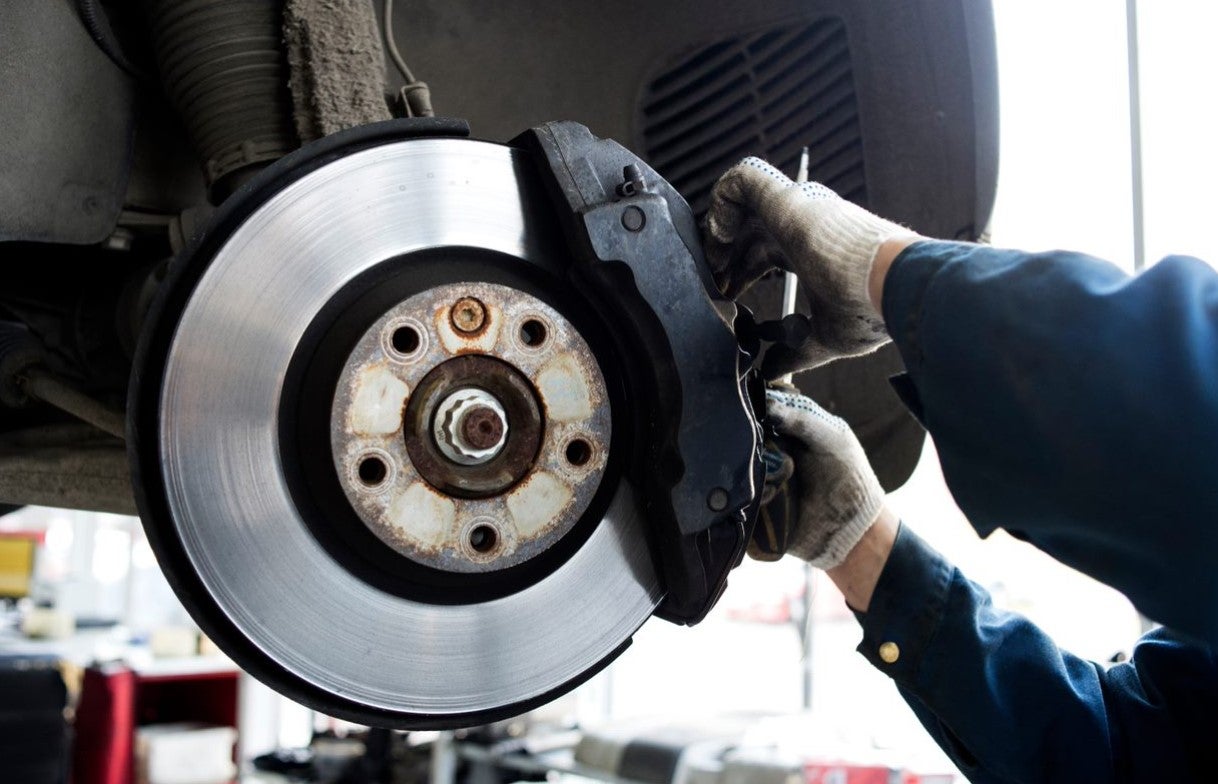
When driving, it's vital to know your brakes will work when you need them. Like all systems, the brakes require regular services and maintenance to perform efficiently. As your Subaru dealer, we'd like to tell you more about some signs you need to visit us for a brake service. more Signs Your Subaru Needs Brake Service Stuck Brake Caliper A set of brake calipers is positioned above each wheel rotor. When you hit the brakes, highly pressurized brake fluid pushes the pins out of the calipers, causing them to clamp against both sides of each rotor. The calipers contain brake pads that generate friction against the rotors, which slows and stops your Subaru. The caliper's position makes them potentially vulnerable to rust due to water, mud, or snow build-up. A caliper that starts rising isn't immediately noticeable, but eventually, the rust will prevent the caliper from engaging when it should. If this happens, your Subaru turns to one side before it stops due to the failed caliper. We'll repair or replace the caliper to fix this issue. Screeching Noises High-pitched screeching when you brake is unnerving, but fortunately, it's not as serious as it sounds. As we saw above, brake pads generate friction against the rotors. They have a rough material covering that reacts with the smooth rotors to create the necessary friction. The material covering is 1/2" thick when a pad is new, but it slowly wears down and will eventually need replacement. Once the material thickness drops to 1/4", a metal spike buried inside the material becomes visible. The spike scratches against the rotor when you brake, producing a screeching noise as a warning the pad needs replacement. Our technicians will check your pads and replace any worn ones, and the screeching noises will cease. Soft Brake Pedal When you push on the brake pedal, you'll feel resistance increase as you exert more pressure on the pedal. It's caused by the pressurized brake fluid. If you push down on the pedal and feel little resistance, you have a brake problem, and we advise contacting us ASAP. The lack of resistance means your brakes will work less effectively or even fail to work when you need them. An air bubble in the system or a brake fluid leak will drop the system pressure and cause this issue. We'll need to investigate to determine the exact cause of the problem. Air can be safely removed by bleeding your brakes, and we'll trace a fluid leak and seal it if that's the issue. We'll also check the brake fluid and top it up if necessary. Driving with bad brakes is one of the main causes of accidents. Contact our service department today at Jim Keras Subaru Hacks Cross in Memphis, TN.

check engine light

Preparing Your Subaru for the Seasons: Essential Maintenance Tips

Tennessee enjoys four distinct seasons that affect your Subaru in different ways. To keep it in top condition, follow these Subaru maintenance tips from your local Subaru dealer when preparing your vehicle for the seasons. more Seasonal Subaru Maintenance Tips From Your Subaru Dealer Spring Even during the mildest of winters, your Subaru suffers more than in all other seasons. The snow, ice, water, and salt can all affect the vehicle's tires and braking systems, so these are the first two things to check when preparing your vehicle for spring. This is also the time to switch from winter to summer tires and perform a wheel alignment to make sure everything is in good working order. Summer In summer, the heat and heavy traffic can put extra stress on your vehicle, but you can keep your Subaru in good working order with a few maintenance checks. Inspecting the coolant system should be on top of your priorities, especially if you haven't topped up the coolant level in spring. Our certified technicians will also inspect the radiator and hoses for blockages. The air conditioning is another important system to inspect when preparing your Subaru for summer. You should also remember that hot weather can be as taxing on the vehicle's battery as cold weather, which is why you should have the battery inspected and replaced if necessary. Fall In addition to regular maintenance checkups, when preparing your Subaru for fall, you should inspect the exterior lights to ensure they are in good condition. The summer heat might have damaged your wiper blades, so now is the time to inspect and replace them again if you notice any signs of wear. Fall often comes with rain and harsher weather that could damage the vehicle's body if it is dented or scratched. You should inspect the entire vehicle and have any damages repaired to avoid rust and corrosion. The beginning of fall is also the perfect time to have your tires rotated to ensure even wear. Winter The most important thing when driving on wet or icy roads is traction, so the tires are the first thing to inspect when preparing your vehicle for the winter. Check the thread of the tires and consider switching to winter tires to enhance grip on slippery surfaces. Also check the fluid levels, especially the antifreeze liquid. The heater system should be next on your list, alongside the battery. Regardless of the time of the year, when it's time to prepare your Subaru for the season, contact us at Jim Keras Subaru Hacks Cross in Memphis, TN to schedule an appointment.

Subaru Technician

The Benefits of Using Genuine Subaru Parts for Your Vehicle Repairs

In most areas of life, it's never wise to cut corners. This holds true for your car as well. When having repairs carried out or new parts installed at your Subaru dealership, there are significant benefits to choosing genuine OEM parts over inferior aftermarket parts. Let's take a look at the most important reasons to always opt for the genuine article. more The Benefits of Using Genuine Subaru Parts for Your Vehicle Repairs OEM Parts Are More Reliable and Resilient Subaru has a world-class reputation to uphold; as such, OEM Subaru parts are structurally compliant with the manufacturer's stringent standards. Not so with generic components. While you can rely on your new OEM part to withstand the extreme pressures involved in a vehicle's operation, you never know when an aftermarket part will prematurely wear out and fail. For this reason, using sturdier, longer-lasting, higher-quality OEM car parts offers the driver greater peace of mind. OEM Components Are More Compatible When you have an OEM car part installed, it fits smoothly into place, perfectly matching the specifications of the worn-out part. Generic components are rarely anywhere near as compatible; they're typically designed to fit a wide range of makes and models, meaning they don't perfectly fit any particular car. This mismatch often leads to the need for alterations before installment. But even then, you don't have true compatibility. With generic parts, you're putting ill-fitting pieces of machinery into your finely engineered vehicle. It's far safer and better for your car's overall longevity and performance to opt for genuine OEM components. You Have Better Availability With OEM Car Parts Availability is also usually better with OEM components because Subaru only needs to understand and manage production and stock for one brand. Aftermarket part suppliers typically juggle a myriad mixture of generic brands, which often leads to shortages in certain specific components. Your Subaru Dealer Can More Easily Install OEM Components Due to the superior compatibility and availability of OEM car parts, your local dealership can readily install them. There's rarely a need for delays while waiting for part delivery or modifications. You Improve the Future Resale Value of Your Subaru Finally, OEM components help to maintain your vehicle's value for longer. Pre-owned car buyers are always interested in the quality of the parts inside the vehicle and genuine OEM components are the gold standard in this regard. So if you want to keep the option open of potentially selling your car down the road, always go with OEM. Visit Jim Keras Subaru Hacks Cross in Memphis, TN, today to have your car promptly repaired and fitted out with genuine OEM car parts. We're a premium full-service dealership serving as the region's one-stop shop for all things Subaru.

Subaru Service

Why Regular Fluid Checks Are Essential for Your Subaru's Health

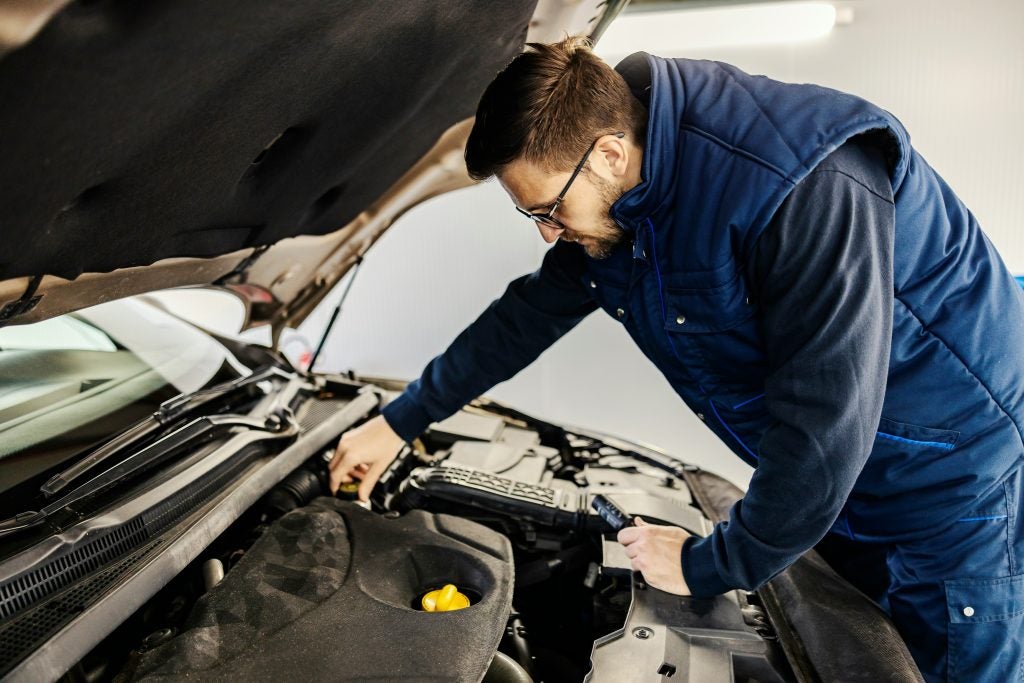
Visiting your Subaru dealer for a regular fluid check can make a big difference to the health, longevity, and performance of your vehicle, yet some drivers still overlook this routine maintenance task. Let's look more closely at the different fluids used by your vehicle, and why keeping them at the correct level is so important. more When Should I Visit My Subaru Dealer for Regular Fluid Checks? Most drivers are aware that their vehicle requires regular servicing at least once a year, and during this service, the condition and levels of its fluids will be checked. Of course, if you notice any worrying symptoms that indicate your fluids may need to be checked earlier, then you should take your car to a mechanic at an earlier stage. Which Fluids Need Checking? Engine oil, coolant, transmission fluid, brake fluid, power steering fluid, and windshield wiper fluid all need to be checked on a regular basis. If any of these fluids become contaminated or drop below the recommended level, your Subaru could suffer negative consequences. The Importance of Fluids If your car's engine doesn't have sufficient oil, its moving parts cannot be properly lubricated. As a result, the friction generated by the moving components will cause heat to build up, which could eventually damage the engine or even cause a fire. Even if you have enough oil, if it is contaminated with dirt and debris it could cause blockages that negatively impact your vehicle's performance. If your coolant level is too low, your engine temperature cannot be properly regulated, while contaminated or low levels of transmission, brake, or power steering fluid will eventually cause problems with those vital vehicle components. ​Plus, of course, without wiper fluid, you won't be able to ​keep your windshield clean to ensure a clear ​view of the road ahead. Can I Check My Fluids Myself? You can check the levels of your vehicle's fluids yourself to make sure that they are not too low. In fact, it's wise to check your own fluids regularly, preferably on a monthly basis, so you can spot any potential problems at an early stage and get them rectified. You should also check fluid levels before heading off on a long drive. Can I Change My Fluids Myself? While checking your fluids and topping them up yourself may be possible, when it comes to fluid changes and flushes, it's best to get professional help since this is a task that requires expert knowledge and skill. Some drivers prefer to visit a mechanic to check and top up their fluids too for greater peace of mind that everything is in good working order. If you want to arrange for your fluids to be checked, or you've reached your recommended service interval, call Jim Keras Subaru Hacks Cross in Memphis, TN, today. We're here to make sure your Subaru is in perfect condition and is safe to drive.

tire pressure being checked

5 Benefits of Getting a Tire Rotation for Your Subaru

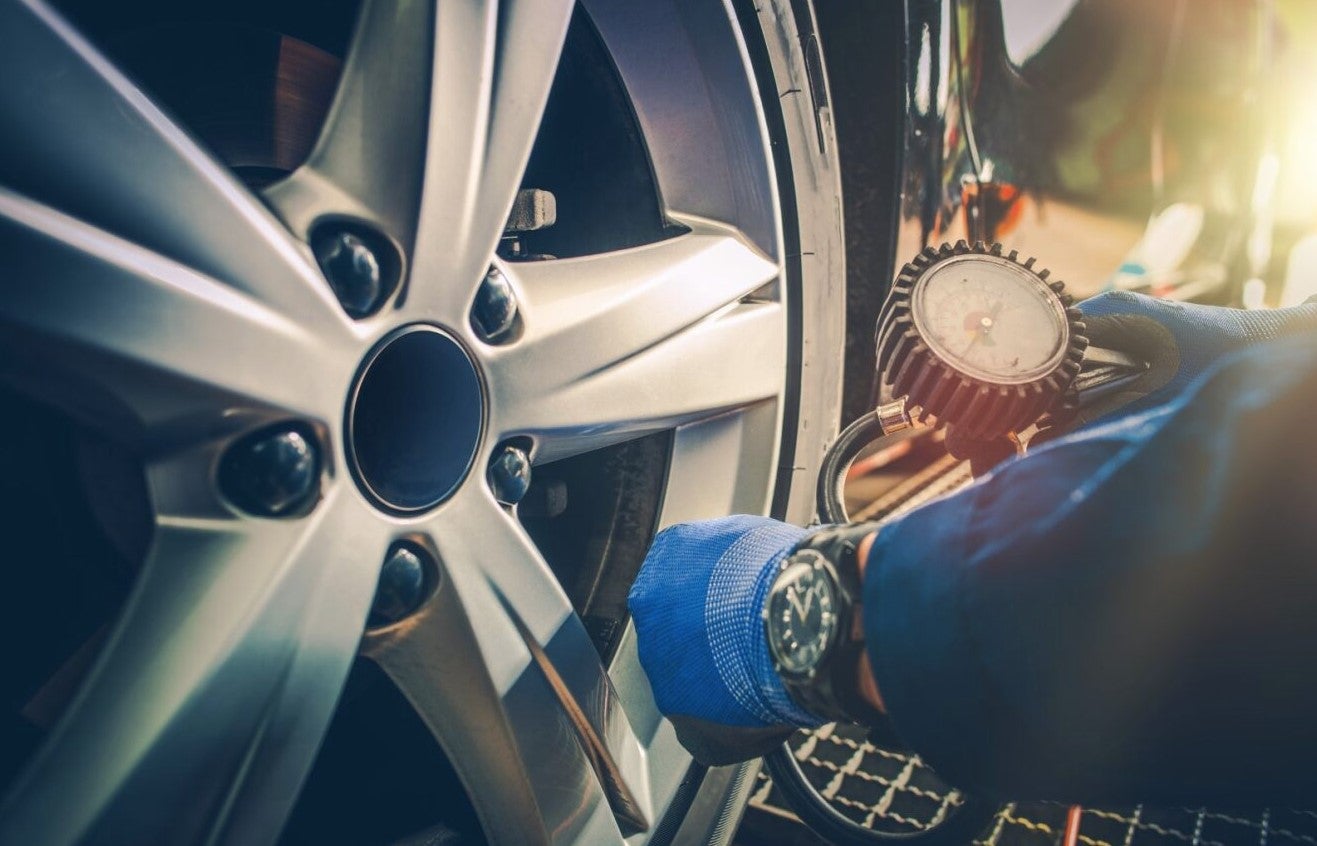
To keep your Subaru performing at its best, regular maintenance is essential. And one crucial aspect of regular maintenance that often goes overlooked is getting those tires rotated. Here are some thoughts from your local Subaru dealer about the benefits of making tire rotation part of your regular maintenance schedule. more 5 Benefits of Getting a Tire Rotation: Thoughts from Your Subaru Dealer Extended Tire Lifespan One of the most significant benefits of getting your tires rotated for your Subaru is the extended lifespan of your tires. Tires wear unevenly due to various factors, including weight distribution, road conditions, and alignment. When you rotate your tires regularly, it ensures that the wear pattern is even across all four tires. This even wear pattern can significantly extend the life of your tires, saving you money in the long run. Improved Handling and Traction Unevenly worn tires can lead to decreased handling and traction, especially in adverse weather conditions. By rotating your tires, you ensure that all four tires maintain consistent tread depth and wear. This results in improved traction and better handling, whether you're driving in rain, snow, or dry conditions. Enhanced handling and traction contribute to a safer driving experience, reducing the risk of accidents. Enhanced Fuel Efficiency Properly maintained tires contribute to better fuel efficiency. When your tires are evenly worn and properly aligned, your Subaru requires less energy to move forward, resulting in improved gas mileage. Getting those tires rotated regularly can help you save money at the pump, making it a cost-effective maintenance practice in the long term. Even Brake Wear Rotating your vehicle's tires can also help ensure that your brakes wear evenly. When your tires are rotated regularly, the brake pads are less likely to experience uneven wear patterns, which can lead to costly brake repairs. By maintaining balanced wear on your brakes, you save money on brake replacement and maintain optimal braking performance for increased safety. Smoother Ride Unevenly worn tires can lead to a rough and uncomfortable ride. Regularly rotating the tires helps maintain a smoother and more comfortable driving experience. A smoother ride enhances passenger comfort and reduces the wear and tear on other vehicle components, such as the suspension system. For all your Subaru maintenance needs, contact Jim Keras Subaru Hacks Cross. Our team of experienced technicians here in Memphis, TN, is dedicated to keeping your Subaru in top-notch condition, ensuring you get the most out of your vehicle for years to come.

oil change

How Often Should Your Subaru Get an Oil Change?

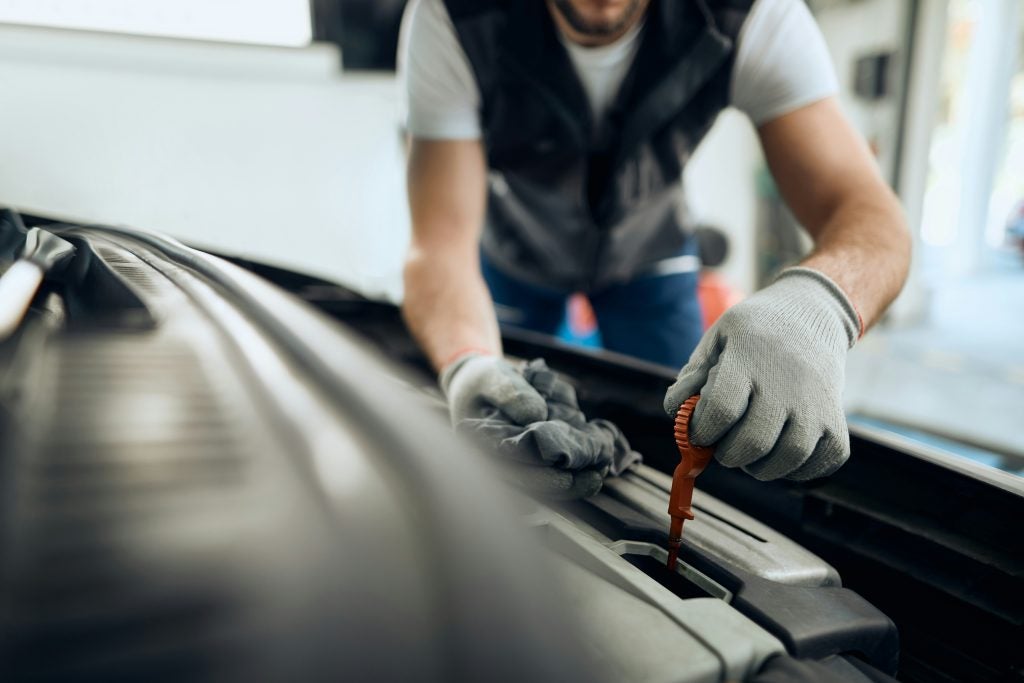
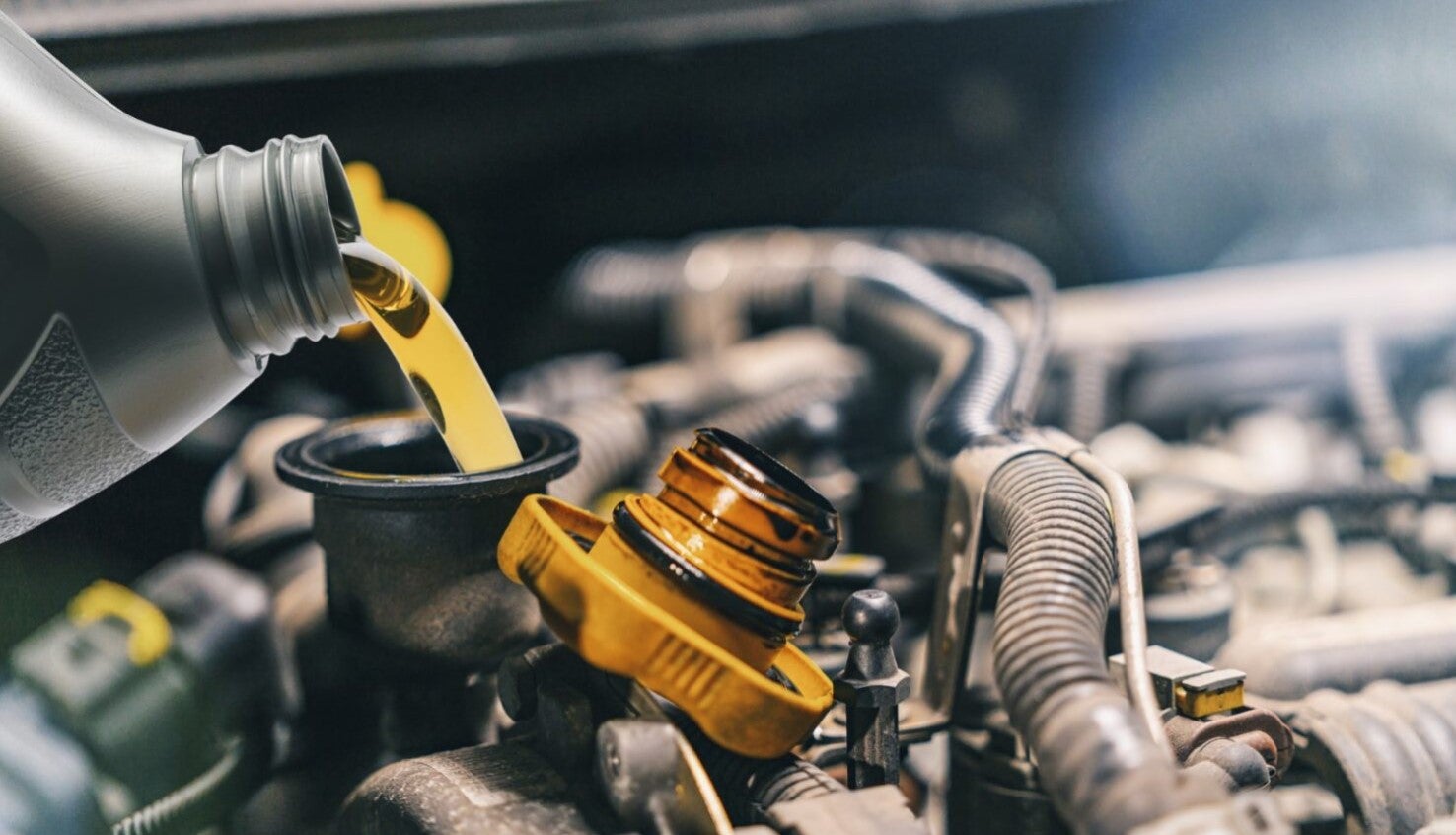
Subarus are known for their reliability, all-wheel drive capabilities, and the sense of adventure they bring. Whether you're maneuvering a Forester through winding mountain roads or commuting in your Impreza, one thing is key to keeping your Subaru happy: regular oil changes. But how often should you swap out the old for the new at your Subaru dealer. more Oil Change 101: Timing is Everything For most newer Subaru models, especially those using synthetic oil, you'll need to change your oil every 5,000 to 7,500 miles. Older models, or those running on conventional oil, might need some love more frequently, typically every 3,000 to 5,000 miles. For recommendations specific to your model, consult your owner's manual.Your driving style also affects how long your oil lasts. Do you enjoy off-roading adventures, or is your Subaru more accustomed to city streets? If you're the adventurous type, or if you often find yourself in stop-and-go traffic, you might need to shorten the interval between changes. Tougher driving conditions make your engine work harder, which can speed up the need for fresh oil. How to Tell You Need Oil at Your Subaru Dealer The Oil Light When the oil light illuminates, it's not just trying to brighten up your dashboard. It's a clear sign that your Subaru is requesting fresh oil. Your Dipstick Pop the hood and pull out the dipstick for a quick oil quality check. If the oil is dark, gritty, or below the minimum mark, these are signs your engine is craving some new oil. Strange Noises Hearing a knocking or rumbling sound under the hood? That could be your car telling you it's not getting enough lubrication, allowing parts to grind together and wear down, damaging your engine. Fresh oil can help quiet things down. Oil Smells and Smoke If you start smelling oil inside your car, it's likely a sign of an oil leak. An oil leak might also lead to smoke coming out of your tailpipe. Smelling oil and seeing smoke are some pretty serious red flags, and you should hurry in for some professional help. Love Your Subaru and It'll Love You Back Skipping oil service can turn into drama for your Subaru's engine. Old or dirty oil leads to increased friction, which can cause overheating and wear on your engine components. Regularly changing the oil is the simplest form of TLC you can give your car. Good quality oil keeps your engine clean, well-lubricated, and running smoothly. If your Subaru is hinting that it's time for fresh oil, you should take it seriously. After all, a happy Subaru means more fun, safe, and memorable journeys for you. Call Jim Keras Subaru Hacks Cross to schedule your next oil service today.

Car Battery Replacement

Does Your Subaru Need a New Car Battery?

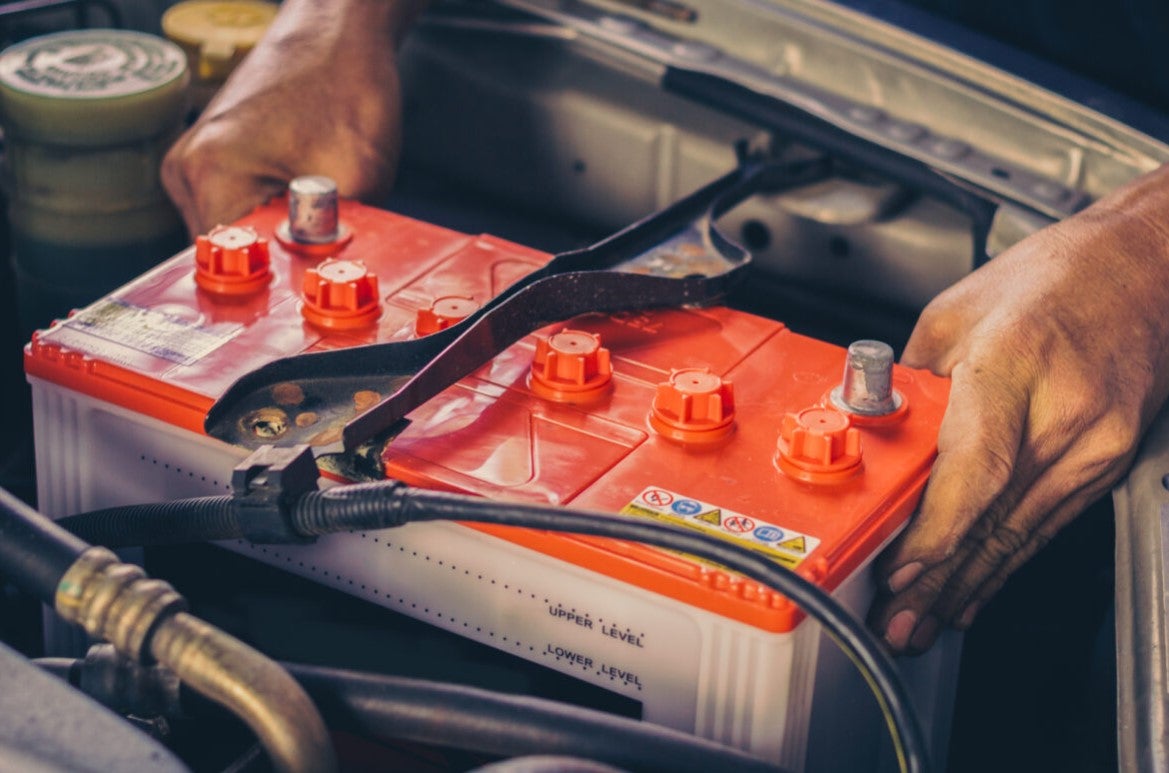
Few things are more stressful than being stranded by a dead battery. But if you pay attention to your vehicle, you can often spot early signs that your battery is declining. When it's time for a new car battery, your Subaru dealer can help. more Do You Need a New Car Battery From Your Subaru Dealer? Your Vehicle Is Slow To Start If your vehicle is taking a little longer to start, even if it's just a few seconds longer, it's time to get your battery checked. A slow start is a sign that your battery is having a hard time producing the power that's needed to start the engine. If your vehicle starts and then immediately shuts down again, that's another sign that your battery may be declining. Your Battery Appears Misshapen A battery that has been overcharged may start to heat and swell. It's a good idea to open the hood and check your battery about once a month. A battery that appears swollen or misshapen is at increased risk of rupture, so it will be important to schedule a service appointment soon. Signs of corrosion, which usually appear as an ash-like residue on metal parts of the battery, are another visual symptom of battery decline. A sulfuric smell that reminds you of rotten eggs is also a sign to watch for. Batteries begin to release a sulfuric smell as they start to die. So if you open the hood and are struck by this horrible smell, your battery may be at risk. Your Electrical Functions Are Slow Your car battery powers numerous functions in your vehicle, including sliding windows, headlights, heated seats, interior lights, and even the radio. If any of these functions are working slowly, or no longer working at all, your battery may be on the way out. Your Battery Is Over Three Years Old A car battery only lasts so long. Most batteries have a life span of three to five years, so when your battery hits three years of age, it's time to watch out for signs of decline. We can also test your battery in our service department and let you know if it still has enough power to properly support your vehicle. Your Battery Light Is On If the battery light on your dashboard comes on, there's an issue with either your battery or your vehicle's charging system. This light can mean a number of things, including faulty wiring, a problem with the alternator, or a corroded battery cable. It can also mean that it's time for a new battery. Our service department can diagnose the issue and make the necessary repair. If you've noticed signs that your battery may be in decline, it's important to schedule a service appointment right away. When you have battery issues, call Jim Keras Subaru - Hacks Cross.

tires

Time for New Tires? Visit Your Subaru Dealership

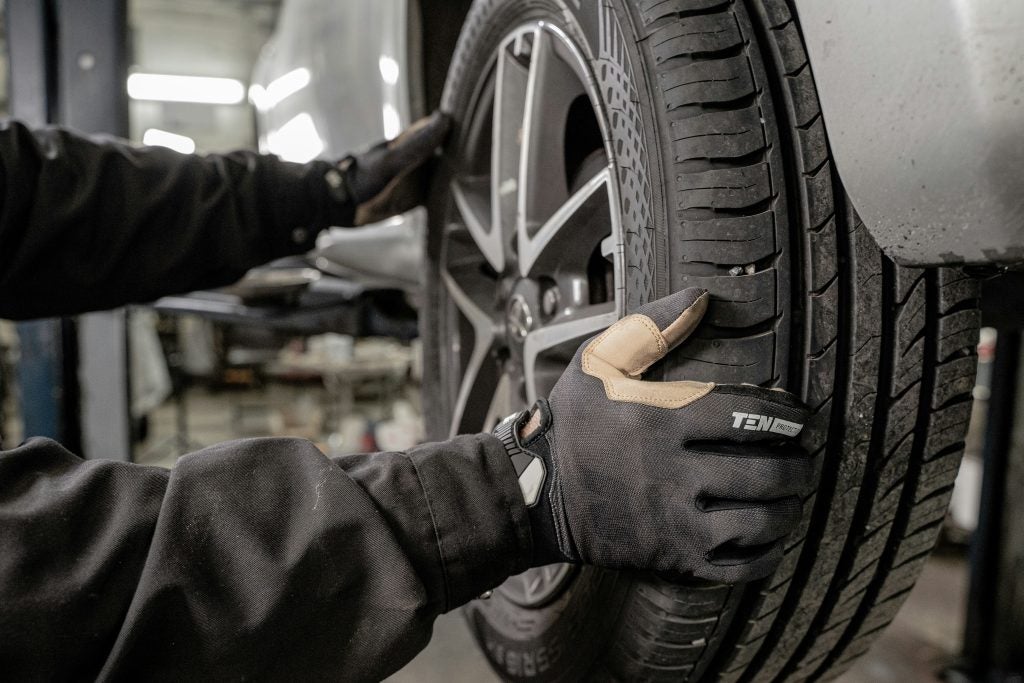
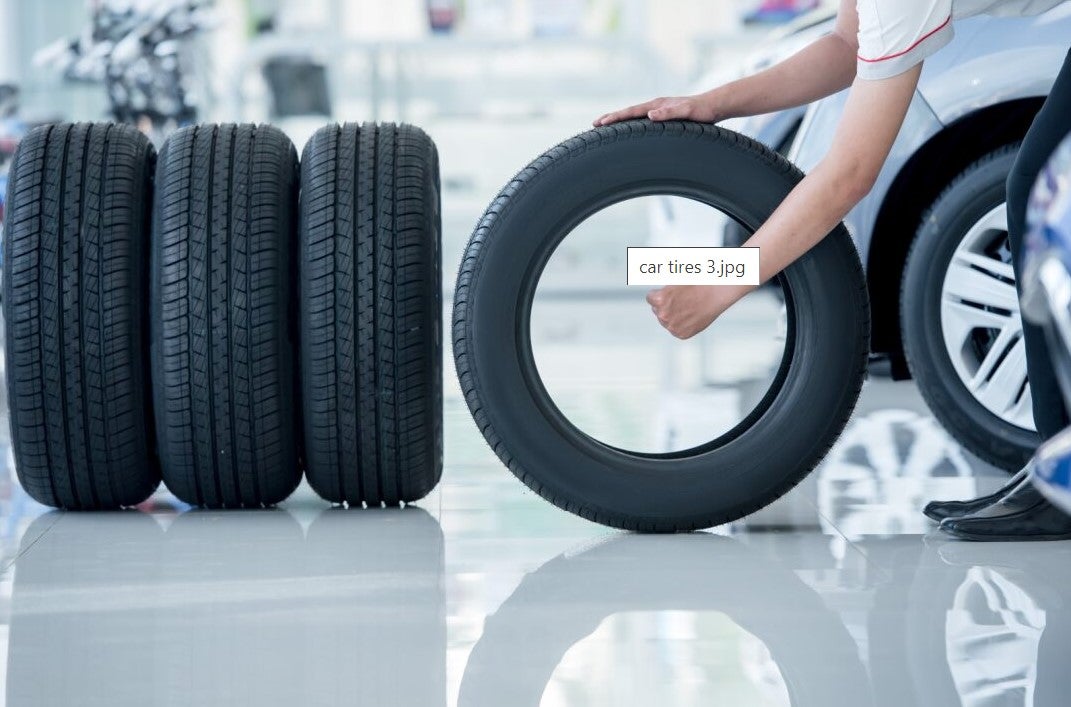
If there's one thing we can all agree on, it's that your Subaru is more than just another car. They're our companions, whether we're taking on a rugged mountain trail, cruising along a sandy beach, or just navigating the daily grind of city traffic. But even the most reliable car needs maintenance, and our tires are literally where the rubber meets the road. If your tires are getting worn, it may be time for some new tires from the Subaru dealership. more How Can You Tell Your Tires Are Wearing Out? Your car's rugged rubber tires can take a beating, but over time they will gradually wear out. Unless you check your tires frequently for signs of trouble or wear, there's a chance they may already need to be replaced. Ready to take a peek at your tires? Here are some warning signs that they may be wearing out. The Penny Test This classic trick is as useful as it is simple. Grab a penny and place it headfirst into the tread of your tire. If you can see all of Honest Abe's head, it's a sign that your tread is below 2/32 of an inch, and it's high time for a change. Tread Wear Indicator Bars Many modern tires have these little flattened bars between the treads. If they're flush with the tire's tread, that's your tire's not-so-subtle way of saying, "Time for an upgrade!" Cracks, Bulges, and Blisters If the surface of your tire looks more like the face of the moon with its craters and bumps, it's a clear sign that your tire's exterior is weakening. Too Many Vibrations It's normal for roads to be a bit bumpy. However, if you notice excessive vibration when driving, especially on smooth roads, it could indicate an issue with your tires, Don't Forget Age Like that cheese sitting at the back of your fridge, tires also have an expiration date. Even if they look fine on the outside, rubber degrades over time. Most experts recommend replacing your tires every six years or so, regardless of appearance. Grab Some New Tires From Your Subaru Dealership The folks at the dealership know your car inside and out and are able to suggest the perfect tires tailored to your specific model. Getting your tires at the dealership means that they'll be properly installed, balanced, and aligned, letting you get back on the road with a meticulous fit for smooth and safe driving. Next time you're out adventuring with your Subaru, take a moment to check on those trusty tires. If it's time for your tires to be replaced, visit Jim Keras Subaru Hacks Cross for the professional service you need.

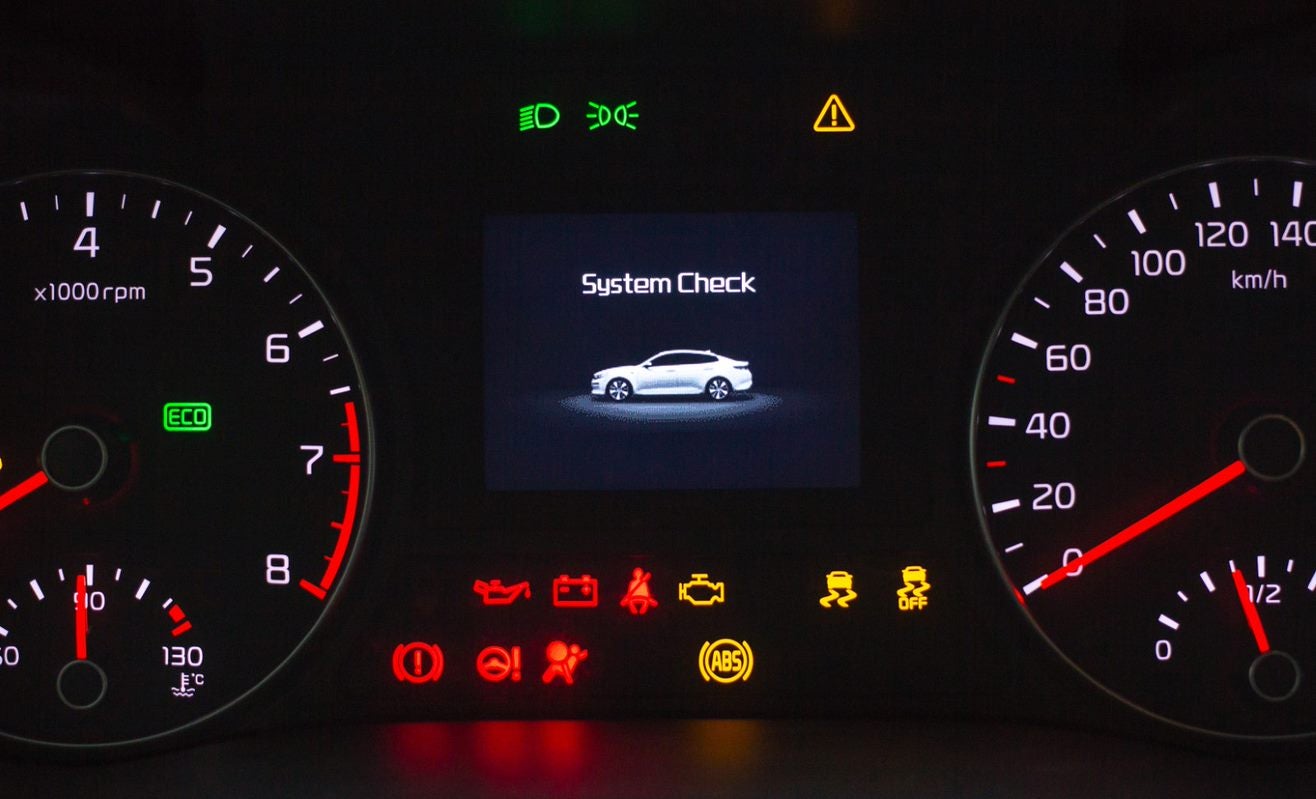
check engine light

Five Engine Problems You Should Always Fix at Your Subaru Dealer

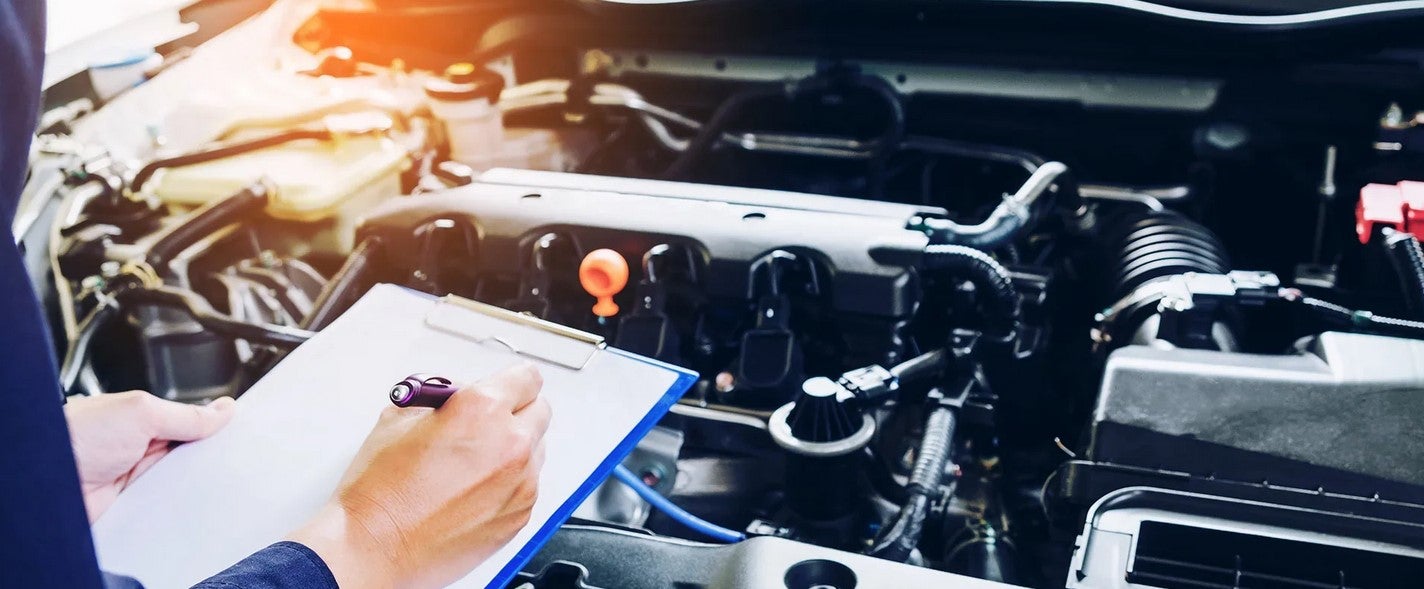
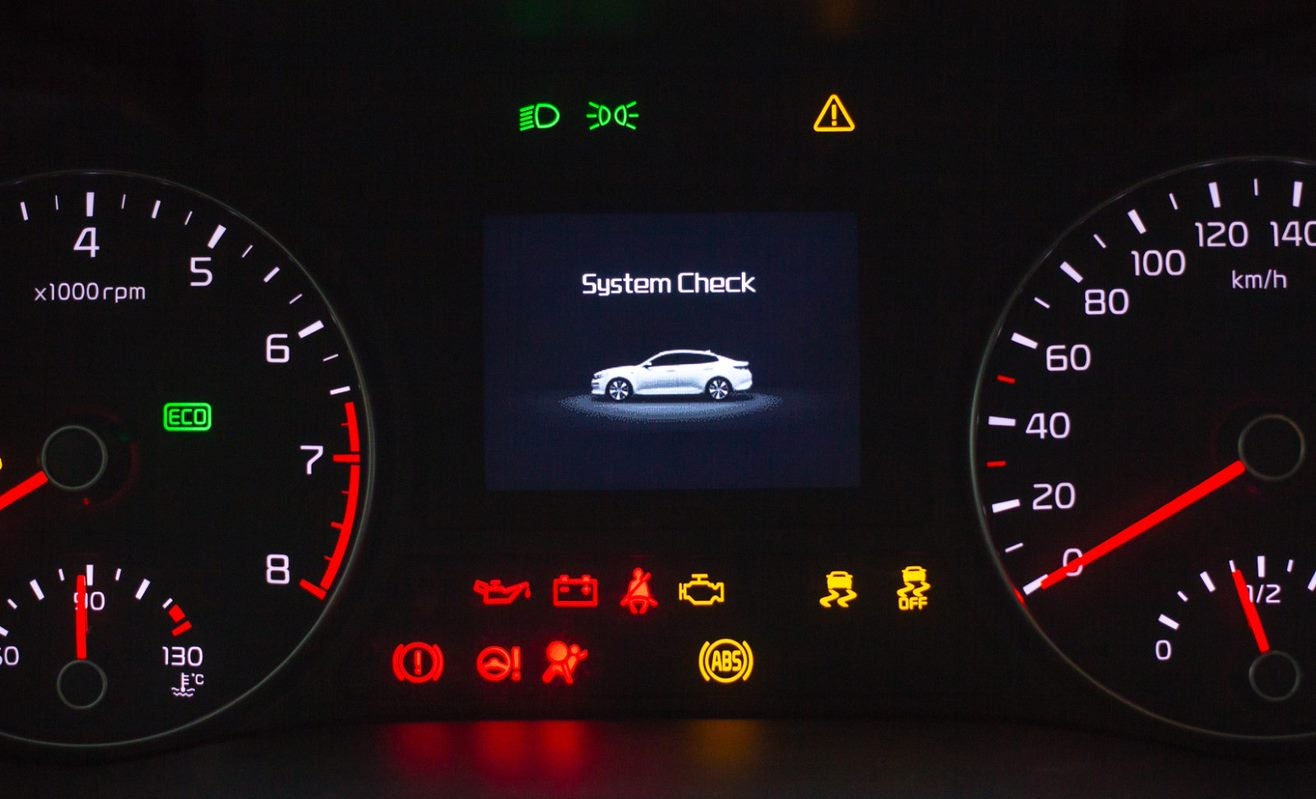
Known for being the safest car on the road, the key to maintaining the dependability of your Subaru is to address mechanical issues as soon as they happen. If you have engine problems, the best thing you can do is schedule expert service at your Subaru dealer. more Five Engine Problems You Should Always Fix at Your Subaru Dealer 1. Overheating An overheating engine can be a major issue. When the engine is too hot, it can burn away critical lubricants and warp engine components, leading to catastrophic engine damage. Typically, an overheating engine is related to low levels of coolant, leaking coolant liquid, or issues with the radiator of the vehicle. Sometimes, an overheating engine can be caused by a radiator that is clogged by dirty coolant. If your car is overheating while you are on the road, you should pull over away from the flow of traffic and turn off your car. Your car will usually need about 15 minutes to cool down before it's safe to pop the hood and pour coolant into the radiator. From there, you can drive your car to the dealership service center or call for roadside assistance. 2. Leaking Any noticeable leaks beneath your parking space are a cause for concern. Leaks can include motor oil, transmission fluid, gas, and radiator coolant. A large puddle may indicate there is a major leak somewhere in your engine or that some part of your engine is overflowing. A Subaru mechanic will have to look for cracks, caps, and broken seals to identify where a leak is coming from. 3. Misfiring Misfires can happen because of faulty spark plugs, worn-down ignition coils, and other issues. If you are having trouble starting your car, the problem could be your engine instead of your battery. Your car may also misfire or backfire while you're driving, which can be dangerous. If you can't start your car at all, you will need to have your car towed to the dealership for service. 4. Ticking You may notice a ticking or other strange noises coming from your engine. A ticking engine can sometimes be caused by superheated motor oil. An engine with low oil levels will also sound loud. Ticking and other loud noises may be the only indication of an engine issue, so you should schedule service even if the check engine light hasn't turned on. 5. Shaking Shaking or vibrations from your engine are also a cause for concern. Sometimes, vibrations are caused by low engine oil pressure, and other times, disconnected motor mounts, old spark plugs, or a broken timing belt can also cause engine shaking. You should schedule service for your Subaru as soon as you notice any problems with your engine. If you aren't sure what's wrong with your engine, you can always schedule an engine diagnostic test at Jim Keras Subaru Hacks Cross.

Contact Us

Fill out this form below and we'll contact you shortly
*Required Fields