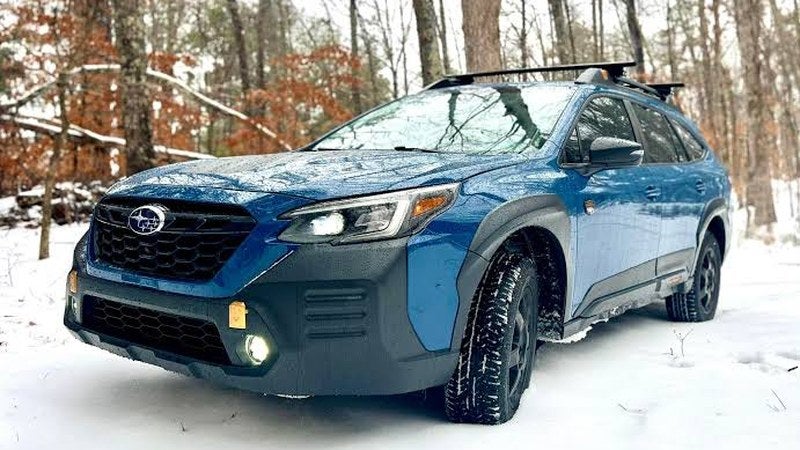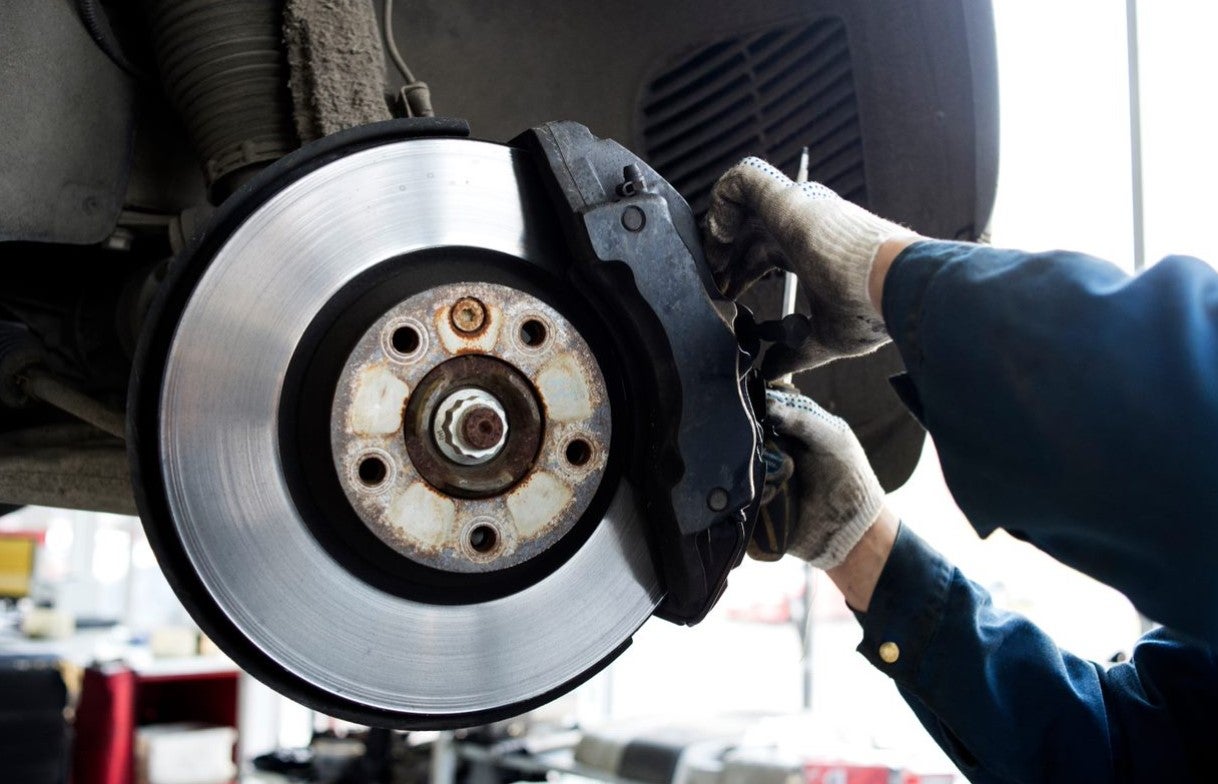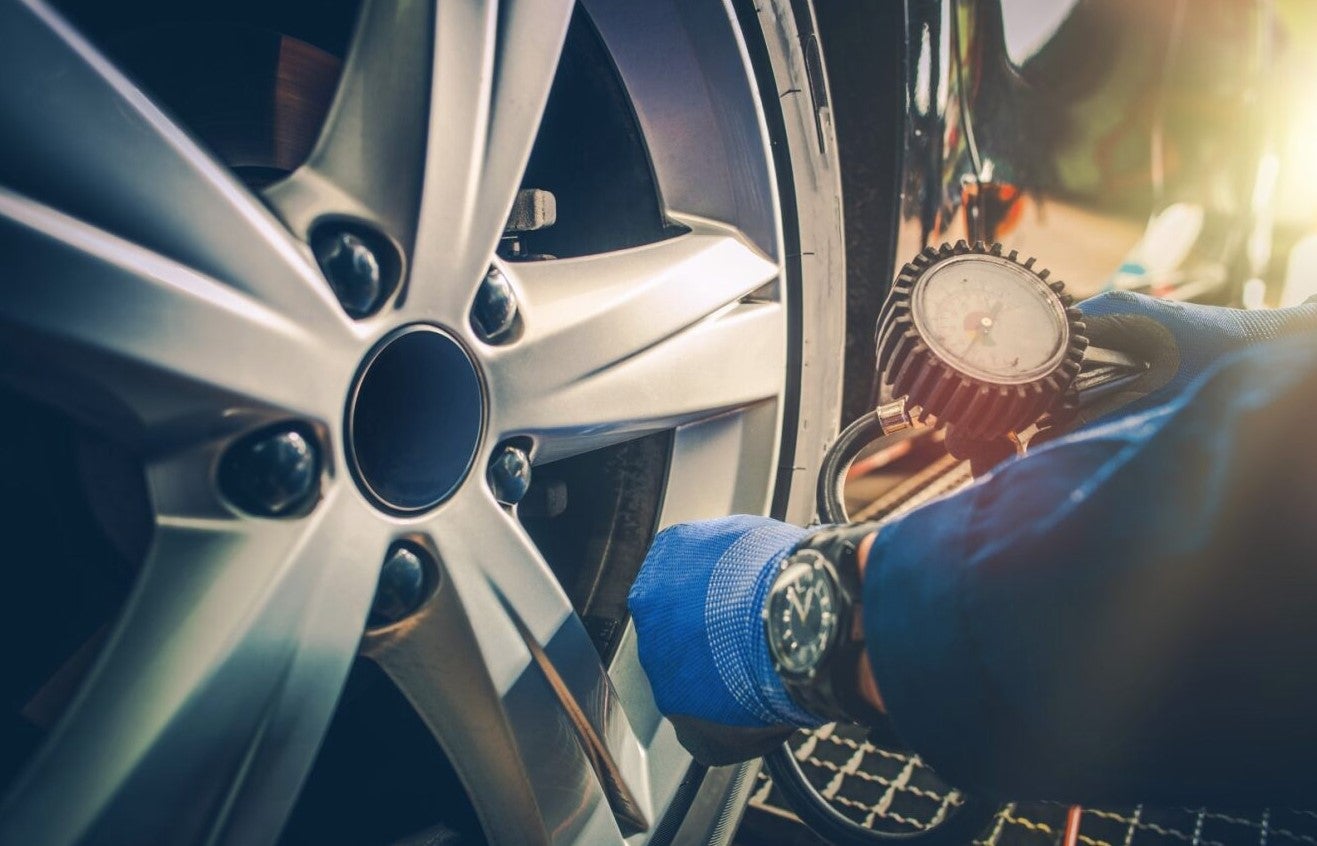

Subaru Symmetrical All-Wheel Drive provides continuous power to all four wheels, constantly monitoring wheel speed, throttle position, and vehicle movement to route torque to the tires with the most grip. In Mid-South winter conditions—where road surfaces alternate rapidly between cold rain, slush, and black ice—the balanced, centerline drivetrain maintains vehicle stability automatically without requiring driver activation or gear setting changes. Unlike slip-and-grip systems found on many standard crossovers that only engage the rear wheels after traction is lost, Subaru continuously sends torque to both axles. The engine is mounted horizontally in line with the drivetrain, creating a symmetrical layout with balanced weight distribution from side to side. When hit with sudden cold snaps across the region, this layout helps prevent lateral sliding on slick surfaces. During pre-trip winter inspections, our service advisors frequently note how continuous all-wheel traction gives drivers predictable control when accelerating up icy highway ramps or steering through slush-filled lanes. For Horn Lake commuters heading north on Interstate 55 during unexpected overnight freezes, continuous traction means the vehicle responds instantly to steering inputs on slick pavement. While all-wheel drive significantly aids acceleration and directional control on slippery roads, it does not overcome physics during stopping. Safe cold-weather travel still requires reduced speed, increased following distance, and smooth pedal control. To ensure your vehicle's drivetrain and traction systems are fully prepared for seasonal driving, visit our Memphis service location at 3940 Hacks Cross Rd for a multi-point inspection, or give our team a quick call at (901) 755-5545 to speak with a factory-trained technician. Table of Contents At What Speed Does Subaru X-MODE Automatically Deactivate on Slippery Roads? Why Are Dedicated Winter Tires Less Ideal for Warmer Southern Winter Days? What Features Are Included in the Subaru All-Weather Package and Critical Pre-Trip Maintenance? What Regional Road Hazards Should Subaru Drivers Expect on Winter Holiday Trips? Common Mid-South Winter Service Questions for Subaru Owners Schedule Your Winter Service Inspection at Jim Keras Subaru Hacks Cross At What Speed Does Subaru X-MODE Automatically Deactivate on Slippery Roads? Subaru X-MODE operates at speeds up to approximately 25 mph, automatically disengaging or reverting to standard Symmetrical All-Wheel Drive once vehicle speed exceeds that threshold. Engineered specifically for low-speed maneuvers in deep snow, thick mud, or unpaved inclines, the system automatically re-engages if vehicle speed drops back below 18 mph. When activated via the center touchscreen or console switch, X-MODE alters engine throttle response, holds the Lineartronic CVT in lower gear ratios, increases front-to-rear all-wheel drive coupling force, and modulates the brakes faster to control individual wheel spin. It also incorporates Hill Descent Control, which acts like an off-road cruise control to maintain a steady speed when descending slippery grades without locking up the brakes. On rugged trims such as the Outback Wilderness and Forester Wilderness, dual-function X-MODE expands these capabilities with selectable modes for Snow/Dirt and Deep Snow/Mud. The Deep Snow/Mud setting allows managed wheel spin to clean out tire tread grooves and maintain momentum through heavy accumulation. Understanding these operational thresholds is critical when navigating steep driveways or unplowed access roads during winter excursions. For larger families traveling with extra luggage, equipping new Subaru Ascent models with proper winter accessories and inspecting the vehicle's braking systems ensures Hill Descent Control performs reliably. Inspecting suspension components and keeping genuine Subaru parts on hand—such as heavy-duty all-weather floor liners and replacement wiper blades—helps maintain your vehicle's trail capability year-round. Why Are Dedicated Winter Tires Less Ideal for Warmer Southern Winter Days? Dedicated winter tires are engineered with soft rubber compounds that soften excessively when ambient temperatures rise above 45 degrees Fahrenheit, leading to rapid tread wear, reduced handling precision, and extended stopping distances on warm pavement. Because Mid-South winter weather frequently swings from freezing morning temperatures to afternoon highs in the 50s or 60s, specialized winter rubber degrades prematurely compared to colder northern climates. Winter tires utilize hydrophilic rubber compounds packed with dense siping—tiny slits in the tread blocks—designed to flex and bite into packed snow and ice. When driven on dry asphalt at 55 or 60 degrees, those soft tread blocks squirm under braking and cornering, creating a vague steering feel and accelerating tread breakdown. For driving in regional winter climates, high-quality all-season tires or winter-rated all-weather tires bearing the Three-Peak Mountain Snowflake symbol offer a far better balance. All-weather tires utilize a hybrid tread compound that remains flexible at freezing temperatures while resisting heat degradation during warmer afternoon stretches. Maintaining proper tire performance involves regular inspections: Checking tread depth across all four tires to ensure even wear and hydroplaning resistance on wet roads. Rotating tires every 6,000 miles to maximize tread life across the all-wheel drive system. Verifying wheel alignment so the tires maintain an even contact patch across fluctuating road temperatures. What Features Are Included in the Subaru All-Weather Package and Critical Pre-Trip Maintenance? The Subaru All-Weather Package includes heated front seats, heated side mirrors, and a windshield wiper de-icer grid embedded directly into the lower glass to prevent wiper blades from freezing to the windshield. Combining these factory convenience features with essential pre-trip mechanical maintenance ensures complete passenger comfort and vehicle reliability during long holiday road trips. The windshield wiper de-icer uses heating elements at the base of the front glass to melt ice buildup on the wiper rubber in minutes. Clear glass is vital because driver assist systems like EyeSight Driver Assist Technology rely on stereo cameras mounted inside the upper windshield. If heavy frost, ice, or interior fog obscures the camera lenses, EyeSight Driver Assist Technology will temporarily disable features like Pre-Collision Braking and Adaptive Cruise Control, alerting the driver with a dashboard indicator light until the glass clears. Critical pre-trip service steps include: Coolant Freeze Protection: Subaru Super Coolant features an initial factory lifespan of 11 years or 137,500 miles, but testing the hydrometer freeze point before severe weather ensures the fluid prevents engine block freezing in sub-zero drops. Cold Battery Testing: Cold weather reduces battery chemical efficiency while increasing engine cranking resistance. A load test identifies weak cells before a road trip leaves you stranded. Cold Tire Inflation Checks: Ambient pressure drops approximately 1 PSI for every 10-degree drop in outside temperature. Always adjust pressures when tires are cold to match the driver-door placard specification rather than the maximum pressure listed on the tire sidewall. Freezing-Rated Washer Fluid: Summer washer fluid can freeze on contact with a cold windshield; filling the reservoir with winter-formula fluid rated for freezing temperatures keeps vision clear. Drivers taking nimble crossovers like new Subaru Crosstrek crossovers into unpredictable winter climates benefit greatly from confirming these maintenance items are completed before hitting the highway. What Regional Road Hazards Should Subaru Drivers Expect on Winter Holiday Trips? Winter holiday travel across Tennessee and surrounding regional highways presents hazards such as sudden flash freezing on elevated overpasses, untreated rural black ice, and heavy road spray that obscures windshield vision. Elevated bridge decks and overpasses—such as those along major interstate corridors—cool much faster than ground-level asphalt because cold air circulates both above and below the road structure. Freezing rain is particularly dangerous because it coats treated asphalt with a clear sheet of ice before salt brine can fully melt the accumulation. Even with advanced all-wheel drive, tires lose traction on pure ice if vehicle speeds are too high. Drivers should avoid abrupt steering inputs, rapid acceleration, or hard braking when crossing bridges during winter weather. In Southaven, busy commercial corridors around retail centers experience heavy holiday stop-and-go traffic where packed slush quickly turns into slick ice at intersections. Keeping your windshield clean and ensuring safety features remain unblocked allows driver-assist warnings to function properly. Every Subaru traveling during the winter holidays should carry a dedicated roadside kit, including: A heavy blanket and extra warm clothing. A high-lumen flashlight with fresh batteries. A compact folding shovel and tire traction mats. A tire pressure gauge and heavy-duty jumper cables. Non-perishable food snacks and bottled water. Common Mid-South Winter Service Questions for Subaru Owners Q: How does freezing weather affect the EyeSight safety system on holiday drives? Windshield frost, heavy snow, or interior fog directly in front of the upper stereo cameras can temporarily blind EyeSight Driver Assist Technology. When camera vision is obscured, the system displays an indicator light and temporarily deactivates features like Pre-Collision Braking and Adaptive Cruise Control. Clearing the windshield completely with front defrosters and using winter-formula washer fluid rated for below-freezing temperatures restores full camera functionality. Q: What is the correct tire pressure reading for winter highway driving? Always fill vehicle tires to the cold tire pressure specifications printed on the driver-side door jamb label, not the maximum pressure rating stamped on the tire sidewall. Because tire pressure drops roughly 1 PSI for every 10-degree drop in ambient temperature, checking pressures first thing in the morning when tires are cold ensures proper contact patch, even tread wear, and optimal fuel economy. Q: How often should Subaru Super Coolant strength be tested before winter trips? While factory Subaru Super Coolant has an initial service life of 11 years or 137,500 miles, testing the coolant's freeze protection level with a refractometer should be part of every annual winter inspection. Service technicians check coolant concentration to ensure the water-to-antifreeze ratio maintains engine freeze protection down to sub-zero temperatures, preventing cracked radiator headers and heater core freeze-ups during severe cold snaps. Q: Can I use standard windshield washer fluid during winter storms? Standard summer washer fluid can freeze on contact with a cold windshield or inside fluid lines when driving at highway speeds in sub-freezing temperatures. Switching to a winter-grade washer fluid rated for 0 degrees Fahrenheit or lower prevents washer jet nozzles from icing over and ensures dirty slush and salt spray clear cleanly off the windshield without refreezing. Q: What essential emergency items should be stored in a Subaru cargo area for winter trips? Subaru recommends carrying an emergency kit containing a flashlight, a small shovel or digging tool, a heavy blanket, a first-aid kit, jumper cables, and non-perishable snacks. Versatile models like the Outback Wilderness and 3-row Ascent feature under-floor cargo storage trays ideal for organizing emergency gear cleanly out of sight while preserving full cargo space for holiday luggage. Before heading out on seasonal road trips, explore our service and parts information for seasonal service information on battery replacements, brake inspections, wiper blades, and coolant system checks. Schedule Your Winter Service Inspection at Jim Keras Subaru Hacks Cross Preparing your vehicle for cold-weather road trips ensures safe performance, maximum fuel efficiency, and complete peace of mind for you and your family. From battery load testing and coolant freeze-point checks to tire tread inspections and wiper blade replacements, routine winter preparation prevents minor wear items from turning into costly holiday delays. Our factory-trained technicians know every detail of your vehicle's mechanical layout, including Symmetrical All-Wheel Drive maintenance, X-MODE calibration, and EyeSight Driver Assist Technology camera maintenance. We use only genuine Subaru OEM parts engineered specifically for your model to maintain factory safety and long-term durability. To book your complete pre-trip vehicle check before holiday travel begins, schedule a winter maintenance inspection online, or stop by our Memphis service center at your convenience. You can also contact our service department directly at (901) 755-5545 to speak with a dedicated service advisor about preparing your vehicle for the winter road ahead. © 2026 Jim Keras Subaru Hacks Cross. All rights reserved.