Jim Keras Subaru Hacks Cross

Blog / Jim Keras Subaru Service

Does Your Subaru Need a Transmission Repair?

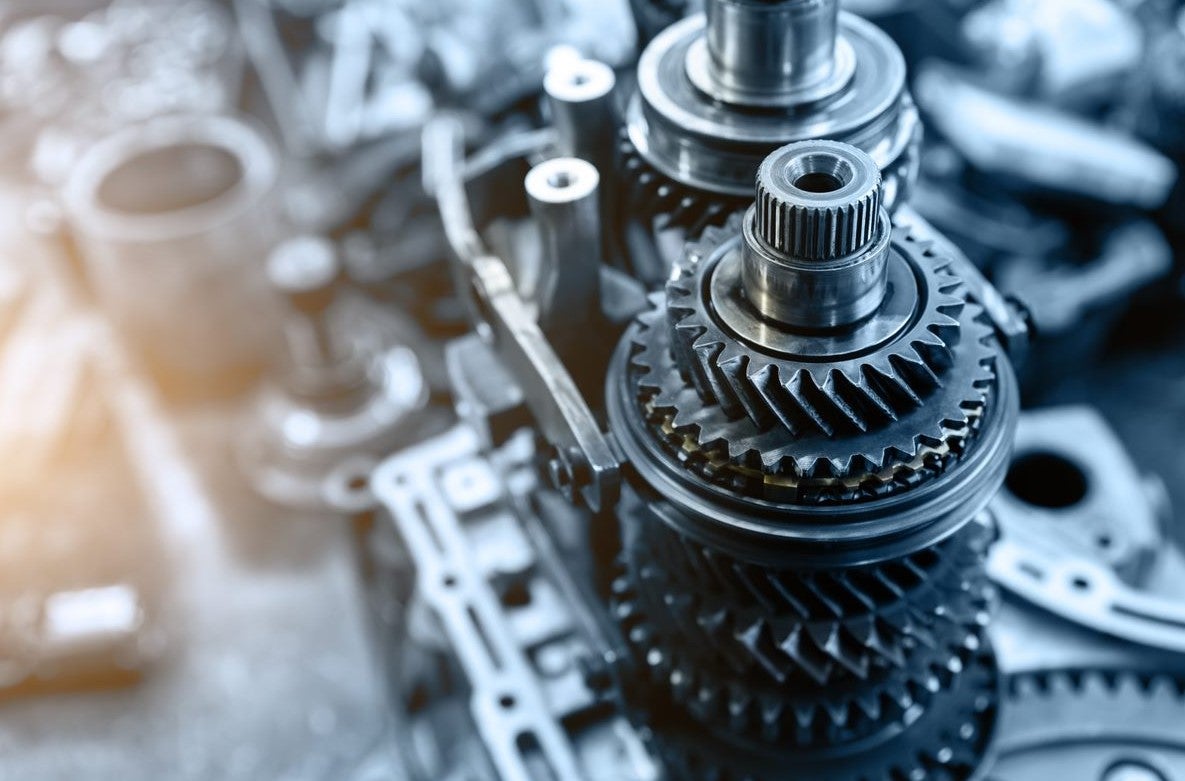
transmission disassembled

Have you noticed any troubling signs that your Subaru's transmission may be having issues? You should visit your Subaru dealer immediately for a diagnosis and repair. Transmission issues tend to occur as vehicles rack up the miles. However, with proper transmission repair, your Subaru will continue running at its best.

Does Your Subaru Need Transmission Repair? Visit Your Subaru Dealer Today

Loss of Power When Accelerating

Most Subaru vehicles are known for their ability to deliver exhilarating speed with smooth acceleration, so it might come as a shock when you try to accelerate and your vehicle loses power. If you step on the gas and notice your Subie feels sluggish and weak, you may be dealing with a faulty transmission.

This frustrating loss of power is usually caused by worn gears in the transmission. Worn gears are unable to transfer engine power to the wheels properly, causing your vehicle to feel sluggish. Our certified technicians have the right tools to repair your gears and restore your vehicle's accelerating power.

Transmission Fluid Leaks

If the ground underneath your vehicle has patches of dark red fluid, your Subaru has a transmission leak. Transmission leaks usually result from a cracked pan, a damaged gasket or seal, or a loose connection. Low fluid levels caused by leaks can allow air into the transmission lines and lead to damage.

Transmission leaks can also prevent smooth gear shifts and lead to acceleration issues. If you notice a leak, bring your car to the dealership for repair. Our technicians can repair the damaged lines, replace the cracked pan, and install new gaskets and seals. They will also refill the transmission fluid to enable the car to shift gears and accelerate smoothly.

Slipping Gears 

Have you noticed that your Subie's gears are struggling to catch when accelerating or slowing down? This problem points to worn components in the transmission. When the transmission gears and synchronizers become excessively worn from age and use, they struggle to engage the right gear as you drive.

If you have a manual Subaru, you will notice hesitation and the gears slipping to neutral when you engage them. With automatic transmissions, the car will make grinding or whining sounds when shifting from one gear to another. You should visit the dealership immediately to get the transmission diagnosed and repaired.

Burning Smell in the Cabin

If you notice a burning smell in the car while driving, your transmission may be overheating. One role of transmission fluid is to lubricate the moving parts. If the fluid is low, the parts will grind against each other and overheat, causing a burning smell. Don't drive your Subaru with an overheating transmission, as this may cause permanent damage to the components.

You need a healthy transmission to enjoy the power, speed, and smooth handling your Subaru is known for. If you notice these signs of trouble, get the problem fixed immediately to prevent costly damage to the transmission. Contact Jim Keras Subaru Hacks Cross to schedule a professional diagnosis and repair.
Posted in:

Related Posts

brakejob2

Signs Your Subaru Needs Brake Service

When driving, it's vital to know your brakes will work when you need them. Like all systems, the brakes require regular services and maintenance to perform efficiently. As your Subaru dealer, we'd like to tell you more about some signs you need to visit us for a brake service. more Signs Your Subaru Needs Brake Service Stuck Brake Caliper A set of brake calipers is positioned above each wheel rotor. When you hit the brakes, highly pressurized brake fluid pushes the pins out of the calipers, causing them to clamp against both sides of each rotor. The calipers contain brake pads that generate friction against the rotors, which slows and stops your Subaru. The caliper's position makes them potentially vulnerable to rust due to water, mud, or snow build-up. A caliper that starts rising isn't immediately noticeable, but eventually, the rust will prevent the caliper from engaging when it should. If this happens, your Subaru turns to one side before it stops due to the failed caliper. We'll repair or replace the caliper to fix this issue. Screeching Noises High-pitched screeching when you brake is unnerving, but fortunately, it's not as serious as it sounds. As we saw above, brake pads generate friction against the rotors. They have a rough material covering that reacts with the smooth rotors to create the necessary friction. The material covering is 1/2" thick when a pad is new, but it slowly wears down and will eventually need replacement. Once the material thickness drops to 1/4", a metal spike buried inside the material becomes visible. The spike scratches against the rotor when you brake, producing a screeching noise as a warning the pad needs replacement. Our technicians will check your pads and replace any worn ones, and the screeching noises will cease. Soft Brake Pedal When you push on the brake pedal, you'll feel resistance increase as you exert more pressure on the pedal. It's caused by the pressurized brake fluid. If you push down on the pedal and feel little resistance, you have a brake problem, and we advise contacting us ASAP. The lack of resistance means your brakes will work less effectively or even fail to work when you need them. An air bubble in the system or a brake fluid leak will drop the system pressure and cause this issue. We'll need to investigate to determine the exact cause of the problem. Air can be safely removed by bleeding your brakes, and we'll trace a fluid leak and seal it if that's the issue. We'll also check the brake fluid and top it up if necessary. Driving with bad brakes is one of the main causes of accidents. Contact our service department today at Jim Keras Subaru Hacks Cross in Memphis, TN.

check engine light

Preparing Your Subaru for the Seasons: Essential Maintenance Tips

Tennessee enjoys four distinct seasons that affect your Subaru in different ways. To keep it in top condition, follow these Subaru maintenance tips from your local Subaru dealer when preparing your vehicle for the seasons. more Seasonal Subaru Maintenance Tips From Your Subaru Dealer Spring Even during the mildest of winters, your Subaru suffers more than in all other seasons. The snow, ice, water, and salt can all affect the vehicle's tires and braking systems, so these are the first two things to check when preparing your vehicle for spring. This is also the time to switch from winter to summer tires and perform a wheel alignment to make sure everything is in good working order. Summer In summer, the heat and heavy traffic can put extra stress on your vehicle, but you can keep your Subaru in good working order with a few maintenance checks. Inspecting the coolant system should be on top of your priorities, especially if you haven't topped up the coolant level in spring. Our certified technicians will also inspect the radiator and hoses for blockages. The air conditioning is another important system to inspect when preparing your Subaru for summer. You should also remember that hot weather can be as taxing on the vehicle's battery as cold weather, which is why you should have the battery inspected and replaced if necessary. Fall In addition to regular maintenance checkups, when preparing your Subaru for fall, you should inspect the exterior lights to ensure they are in good condition. The summer heat might have damaged your wiper blades, so now is the time to inspect and replace them again if you notice any signs of wear. Fall often comes with rain and harsher weather that could damage the vehicle's body if it is dented or scratched. You should inspect the entire vehicle and have any damages repaired to avoid rust and corrosion. The beginning of fall is also the perfect time to have your tires rotated to ensure even wear. Winter The most important thing when driving on wet or icy roads is traction, so the tires are the first thing to inspect when preparing your vehicle for the winter. Check the thread of the tires and consider switching to winter tires to enhance grip on slippery surfaces. Also check the fluid levels, especially the antifreeze liquid. The heater system should be next on your list, alongside the battery. Regardless of the time of the year, when it's time to prepare your Subaru for the season, contact us at Jim Keras Subaru Hacks Cross in Memphis, TN to schedule an appointment.

Subaru Technician

The Benefits of Using Genuine Subaru Parts for Your Vehicle Repairs

In most areas of life, it's never wise to cut corners. This holds true for your car as well. When having repairs carried out or new parts installed at your Subaru dealership, there are significant benefits to choosing genuine OEM parts over inferior aftermarket parts. Let's take a look at the most important reasons to always opt for the genuine article. more The Benefits of Using Genuine Subaru Parts for Your Vehicle Repairs OEM Parts Are More Reliable and Resilient Subaru has a world-class reputation to uphold; as such, OEM Subaru parts are structurally compliant with the manufacturer's stringent standards. Not so with generic components. While you can rely on your new OEM part to withstand the extreme pressures involved in a vehicle's operation, you never know when an aftermarket part will prematurely wear out and fail. For this reason, using sturdier, longer-lasting, higher-quality OEM car parts offers the driver greater peace of mind. OEM Components Are More Compatible When you have an OEM car part installed, it fits smoothly into place, perfectly matching the specifications of the worn-out part. Generic components are rarely anywhere near as compatible; they're typically designed to fit a wide range of makes and models, meaning they don't perfectly fit any particular car. This mismatch often leads to the need for alterations before installment. But even then, you don't have true compatibility. With generic parts, you're putting ill-fitting pieces of machinery into your finely engineered vehicle. It's far safer and better for your car's overall longevity and performance to opt for genuine OEM components. You Have Better Availability With OEM Car Parts Availability is also usually better with OEM components because Subaru only needs to understand and manage production and stock for one brand. Aftermarket part suppliers typically juggle a myriad mixture of generic brands, which often leads to shortages in certain specific components. Your Subaru Dealer Can More Easily Install OEM Components Due to the superior compatibility and availability of OEM car parts, your local dealership can readily install them. There's rarely a need for delays while waiting for part delivery or modifications. You Improve the Future Resale Value of Your Subaru Finally, OEM components help to maintain your vehicle's value for longer. Pre-owned car buyers are always interested in the quality of the parts inside the vehicle and genuine OEM components are the gold standard in this regard. So if you want to keep the option open of potentially selling your car down the road, always go with OEM. Visit Jim Keras Subaru Hacks Cross in Memphis, TN, today to have your car promptly repaired and fitted out with genuine OEM car parts. We're a premium full-service dealership serving as the region's one-stop shop for all things Subaru.